
Why the Fertő region? Sights, hiking spots, nature and rural charm - part 1
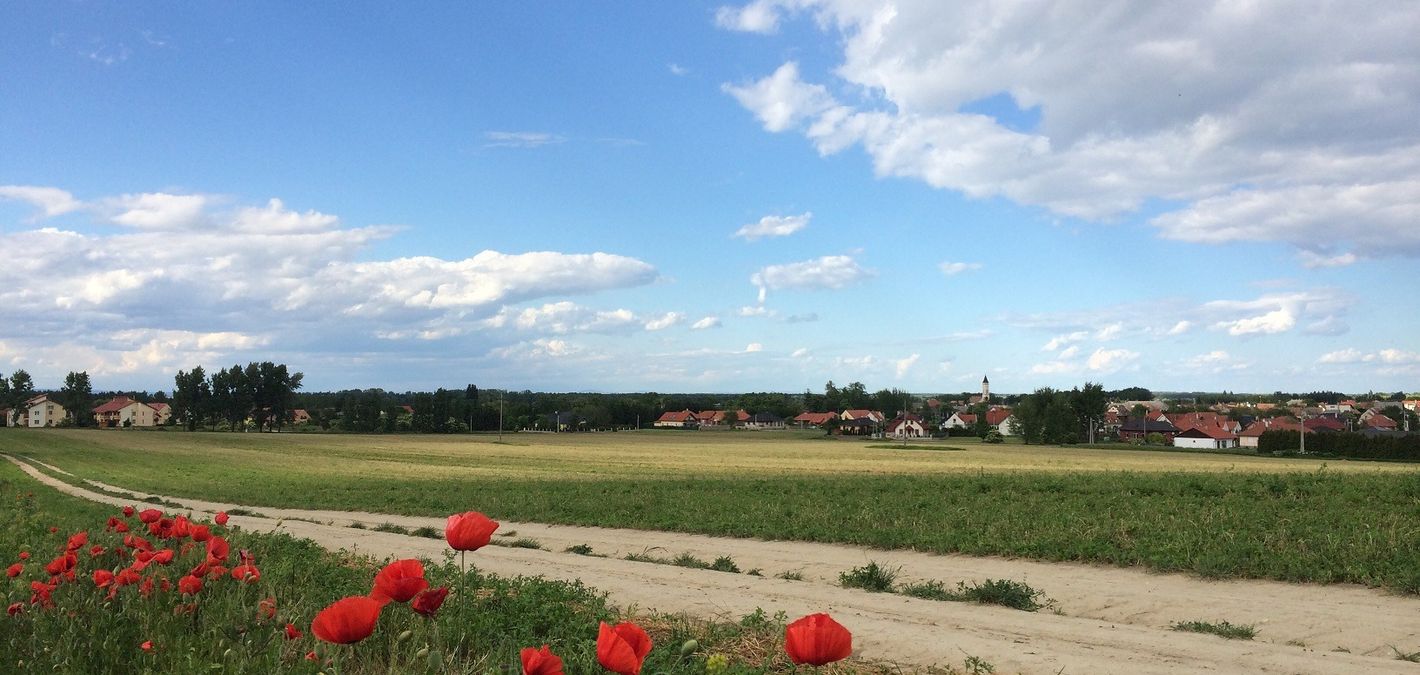
Lake Fertő is a special place in terms of attractions. There are many settlements on both the Hungarian and Austrian sides that are worth visiting. This time wethe 10 settlements on the Hungarian sideWe thoroughly explored the area, traveling from east to west, starting our trip in the picturesque landscapes of the Fertő-Hanság National Park.
Mexican desertcharming little village,Fertőújlak, is not directly one of the settlements on the Fertő shore, but it is worth choosing the route leading there when cycling around a lake. This section of a few kilometers is the essence of the National Park. Crossing the Hanság main channel and reaching Sarród, we can observe rare plants, waterfowl (great egret, stilt, spoonbill, summer goose), exceptional bird species (meadow eagle, blue heron), protected butterfly species and traditional Hungarian domestic animals (racka sheep, buffalo, gray cattle). Visitors can visit such visitor centers asKocsagvarand theLaszlo Majorand architecture lovers can admire the features of peasant baroqueSarrodThere are several nature trails leading through this uniquely rich landscape. Most of them introduce the wildlife of the area and are easy to navigate with children, making them a truly family-friendly excursion to Lake Fertő!
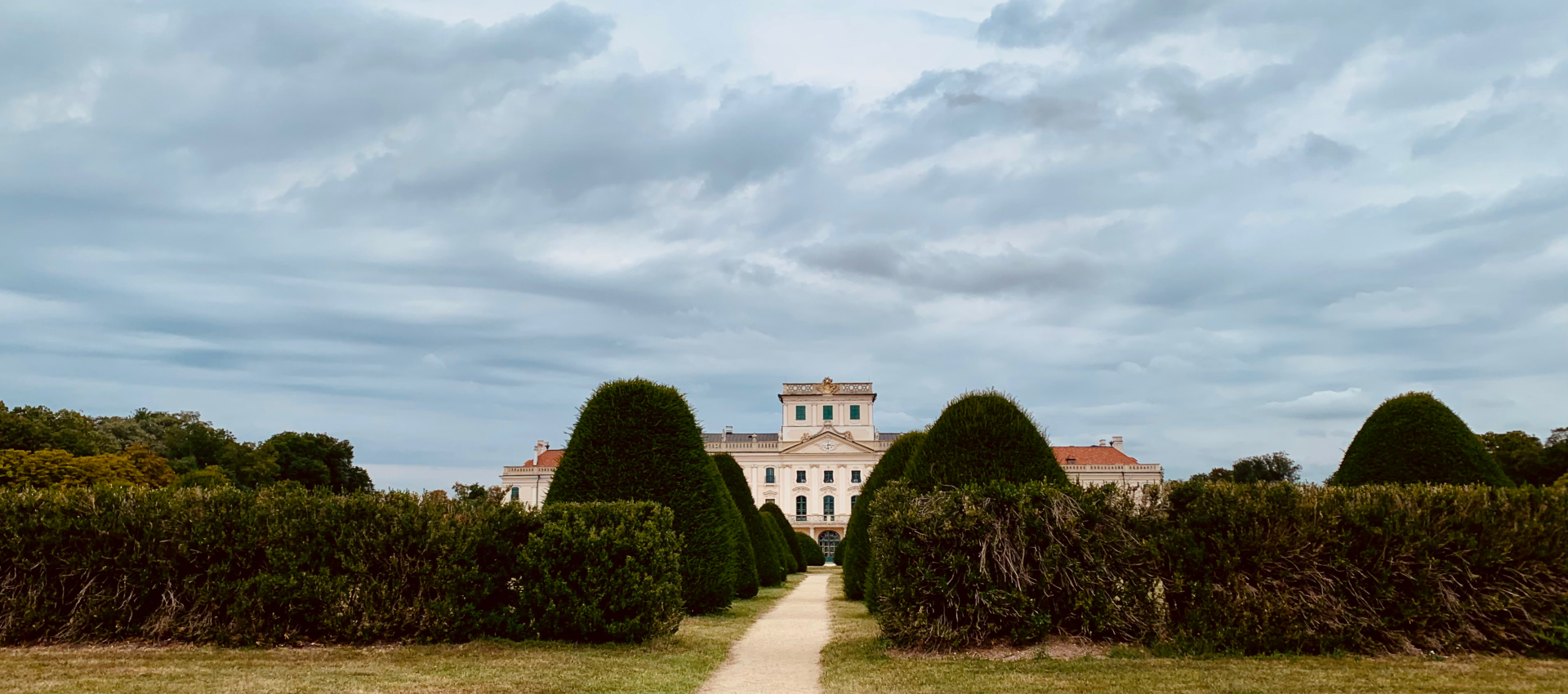
Famous for the Esterházy CastleYou are infected.itself offers numerous cultural and leisure program opportunities, just like the neighboringInfectious disease, where the Railway Lamp Museum and the Village Museum operate. The foundation stone of its Baroque church was laid by György Széchenyi at the beginning of the 18th century, and the original furnishings of the church can still be admired today. Its Calvary Guarded by Angels is also in the Baroque style. Opposite the church is the recently renovated Széchényi Castle - Ferenc Széchényi, the founder of the Hungarian National Museum and Library, was born in Fertőszéplak. The Széchényi family made the Fertőszéplak Castle and the associated lands the cultural and economic center of the area. During their ownership, Széplak was considered the largest and richest settlement in Fertőmellék. The reconstruction of the castle was completed in the fall of 2020. The facade of the castle was renewed, the stone frames of the windows and doors and the wall painting details found on the facade were restored. In 2024, the castle, the church and the immediate surroundings of Hármashalom were also renewed. The new World Heritage Site visitor center for the Fertő region, the Peisonia Visitor Center, has been established here. Its name is inspired by the Latin equivalent of Lake Fertő, Lacus Peiso.
Mountain stoneOne of its biggest attractions is its 55 °C thermal water. The medicinal spring is primarily suitable for treating musculoskeletal diseases, but it is also suitable for relieving stomach ailments. Its thermal bath, open all year round, has been operating since 1971; those wishing to relax, play sports and go to the beach can enjoy the healing effects of the water in outdoor and indoor pools. The Hegykő thermal water is a slightly hard, fluoride, sulphurous medicinal water containing a lot of dissolved substances, sodium chloride, alkaline-bicarbonate in nature, with a significant iodide content. It comes to the surface from a depth of 1434 meters with a temperature of 55 °C. The thermal water is suitable for treating chronic musculoskeletal diseases, on the recommendation of a specialist. It can be used with good results as a rehabilitation treatment for healed bone fractures, sprains, joint sprains and muscle strains. Regular use of the bath relieves the strain associated with sports and increased muscle work, and the water vapor rising from the water surface and inhaled has a beneficial effect on respiratory complaints.
On the eastern side of the village, fishing enthusiasts can relax by the 6-hectare fishing lake in an exceptionally peaceful environment.
In the center of Hegykő, in the immediate vicinity of the St. Michael's Church, we find the Lace House, which exhibits Hövej lacework. The beautifully renovated, more than 100-year-old former residential building is a speciality in itself: with its rare ovens and clean rooms, visitors can travel back in time. In the Lace House, you can see the Hövej lace exhibition by Istvánné Szigethy, Master of Folk Art, entitled "From the bandage to the eyelid".
North of the church, heading towards the lake, we find a birdwatching lookout in the reeds, and on the other side of the road, in the former Masina house building, we find the'1 Drop'We can visit the Pálinka distillery for an unusual pálinka tasting, during which visitors can gain insight into the secrets of pálinka production, listen to and see how the fruit is processed so that the end result is not just an alcoholic beverage, but a pleasant drink that reflects the aromas and flavors of the fruit. During the tastings, only certified, medal-winning pálinkas are poured into the glasses.
A few kilometers north we reach the Iron Curtain Memorial, located on its original site and partly made using original materials, where we get an authentic picture of the former border fence. Fortunately, the Iron Curtain is now history. Its existence is also a reminder that the separation of countries and people with minefields and barbed wire should never be repeated. The three eras of the technical fence can be viewed with information boards, 40 meters long. A few steps from the former border guard, we can admire the flora and fauna of the Fertő coast from another height.
Halfway through our hike, we rested on the terrace of the Tornácos Hotel. Sipping homemade syrup next to the checkered tablecloth and enjoying the sunshine, we planned the second half of our journey from Fertőhomos to Fertőrákos.


