
Why Lake Fertő? Sights, hiking spots, nature and rural charm - part 2
A Croatian-speaking settlement from the middle of the 16th century,Infectious sandfaithfully cherishes its traditions through its tamburitza orchestra, folk dance ensemble, and traditional crafts programs. We find the country house in the immediate vicinity of the bike path - we admired the folk costumes of the past, looked at the local historical documents, and examined the objects of former use. Our journey then led us to the neo-Romanesque St. Anna Church, where we spent intimate moments admiring the church's frescoes.
The neighboring village can also be a popular resting place for tired and exhausted hikers,Coldnessrefreshing spring. The tasty spring - from which Hidegség got its name - can be found in the center of the settlement. Twenty-one more springs flow in the nearby priest's garden. A noteworthy monument is the Árpád-era St. Andrew's Church in the village - the 13th century frescoes of the chapel can be viewed as part of a guided tour. Lovers of equestrian culture are welcome in the nearby Ilona-major with sports and leisure opportunities.
Throughout history, the lives of the hardworking residents of Hegykő, Fertőhomok and Hidegség have been similarly shaped by the unique, exceptionally fertile waterfront environment of Lake Fertő. We have covered the local vegetable growing in a separate article; in the first place, we will only say that the local high-quality tomatoes, parsley, carrots and onions have become famous and popular in many domestic and foreign markets for a reason.
One of the most important excursion destinations on the Fertő coast isGloriette in Fertőbozilookout. The hill, built in the classicist style at the beginning of the 19th century, is associated with the name of Ferenc Széchenyi, mentioned earlier (in the first part of our excursion) - perhaps the dear Reader still remembers, he was born in Fertőszéplak, the founder of the Hungarian National Museum. We can admire a stunning panorama; at our feet lies the reed world of Lake Fertő, the Hungarian and Austrian shoreline of the lake, the Sopron Mountains, the foothills of the Alps, and in the distance the Pozsony Hill. Deep in the forest, on the border of Fertőboz, Hidegség and Nagycenk, the hiker will find a tomb surrounded by Caucasian pines: on the site of the former chapel and hermitage, Béla Széchenyi (István Széchenyi, the eldest Hungarian son) and his wife, Hanna Erdődi, are buried. We can approach the monument built in the spirit of “faith, hope and love” by wandering through the vineyards from Fertőboz - our small group turned onto the dirt road from the Nagycenk road at the statue of Saint Apollonia - but we can also walk along theSzéchenyi Castle in Nagycenkalso on a 2.6 kilometer long linden tree line.
One of the most famous and most visited attractions on the Fertő-side is the Nagycenk Castle, the ancient estate of the Széchenyi family. Many of the attractions and excursion destinations in the area are connected to the well-known family. The rebuilt castle and the Széchenyi István Memorial Museum located there offer a meaningful program in themselves. We can take a long walk along the aforementioned linden tree line, which is under the protection of the world heritage, evoking the horse rides of Count Antal Széchenyi and his wife, Zsuszanna Barkóczy, more than 200 years ago; we can visit the cemetery behind the Széchenyi parish church to visit the mausoleum of the Széchenyi family; to the delight of both children and adult railway enthusiasts, we can take a look at the Széchenyi Museum Railway and take a short but memorable trip on the children's railway.
Looking around from the Gloriette hill in Fertőboz, the change in the landscape is striking: here we find ourselves among the slopes of the Sopron wine region. The former Széchenyi cellar still houses an excellent wine house, and the neighboringLeftis also one of the unique and characteristic grape and wine producing places of the Sopron wine region. You can buy and drink wines made by local producers at almost every house. Its medicinal water is at least as popular - the medicinal water with a high hydrogen sulfide content was also used by the Romans for bathing and drinking cures. In addition to the former lively spa life and the flourishing vineyards, Balf is also our sad national memorial site: during the Second World War, a labor camp operated in the village, where approximately 2,000 people lost their lives as a result of inhumane treatment, including the writer and literary historian Antal Szerb. The monument, built from a sculpture complex, can be found on the side of the cemetery hill.
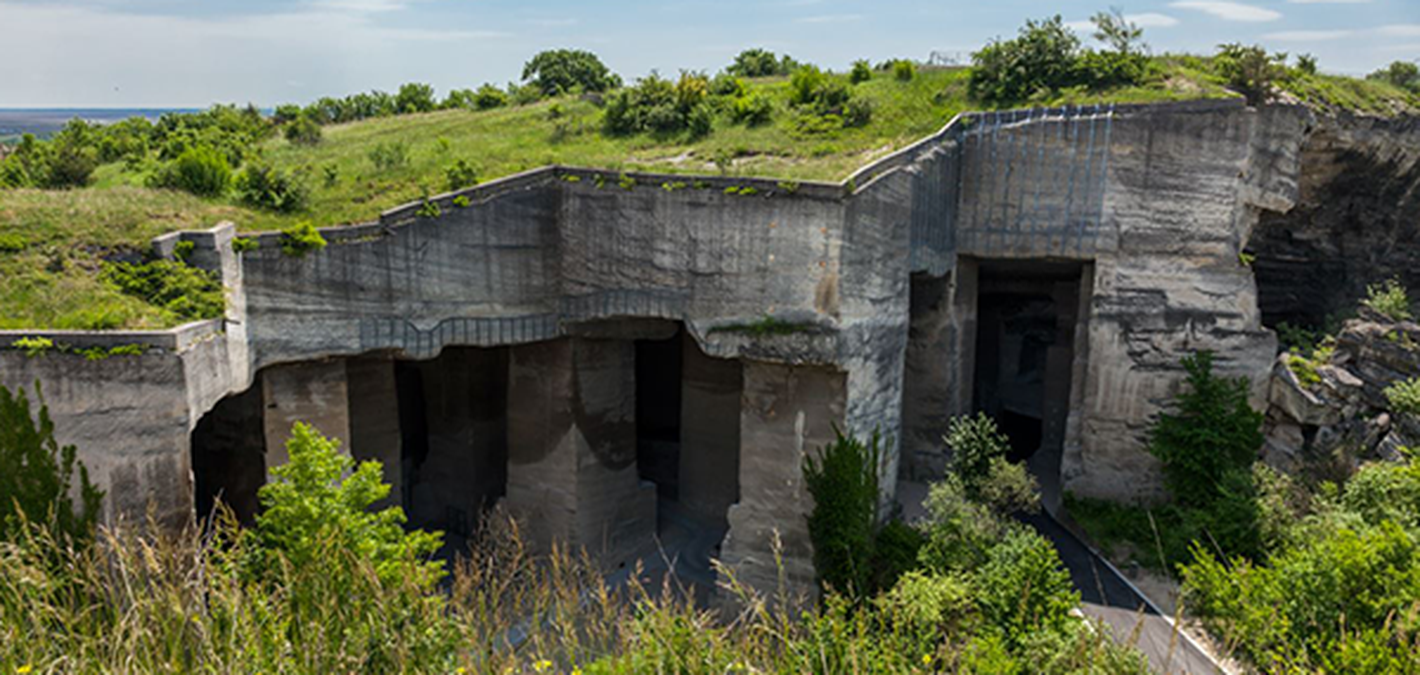
Continuing from Balfr towards Sopron, we reached the last stop of our trip, perhaps the most famous settlement of Lake Fertő in terms of attractions,Infectious cancert. The village's landscape is also protected as a monument. The settlement, which boasts a long historical past, was inhabited even before Christianity, as evidenced by the Mithras sanctuary built in the 3rd century and which flourished in the territory of the Roman Empire. The sanctuary is found on the Hungarian-Austrian border between Fertőrákos and Fertőmeggyes (Mörbisch) - it is easily accessible on foot or by bicycle. Very few similar underground churches from the Roman era have survived, which makes the cave sanctuary even more special. The quarrying in the settlement can also be dated back to the Roman period, and it determined the architecture of both the surrounding area and more distant settlements and cities until the mid-20th century. The Gloriette lookout tower in Fertőboz was also built from the natural treasures of the Fertőrákos quarry, but the stone for many buildings in Vienna was also mined here. Its colonnade arrangement is a special attraction; It is also unique from a geological, paleontological and botanical point of view. For those who are looking for a special and high-quality theatre, concert, dance and opera experience, we heartily recommend the varied programme of the Kőfejtő. Walking through the settlement, we can notice another peculiarity: here is the only pillory or pillar of shame in Hungary, built in the 16th century, standing in its original place - a memento of the independent judiciary of the former settlement. Fertőrákos is also justifiably famous for its European-famous Mineral Museum. The calcite exhibition presents 2000 minerals, 300 fossils and 2 previously unknown fossil finds of prehistoric mammals to the interested. The centre of the settlement is the bishop's castle, which is largely awaiting renovation. From here, turning off the cycle path, we can reach the sailing harbour.
Lake Fertő is also a great choice for boating. The water is pleasantly warm in summer, making it ideal for swimming, but boating on Lake Fertő offers a special opportunity to explore the lake and its surroundings all year round. The Drescher Boating Company (http://www.fertotavihajoutak.hu/) awaits those wishing to travel with colorful cruise programs and ferry services; there are several departures daily from the ports of Mörbisch, Rust and Illmitz. We can enjoy the sunset during a romantic swinging with a cocktail, we can go by boat to the performances of the Mörbisch water stage, but we can also combine the cruise with a bicycle tour, a trip to Rust and Burgenland, a panoramic train ride, a horse-drawn carriage ride - while we also have the opportunity to get to know the flora and fauna of the lake more closely. If we are already on a trip towards Fertőrákos, it is worth visiting the nearby and historically exceptionally importantPan-European Picnic Memorialwhich marked a milestone in the cutting of the Iron Curtain that divided Europe in the late 1980s.
We hope we managed to inspire you to take a trip to the shores of Lake Fertő, and we hope that soon we will have the opportunity to explore the Austrian side of Lake Fertő in a similar way! The Tornácos Hotel team wishes you a pleasant stay!


